

One of the things I love most about Scripture is the way it slowly teaches us how to see.
Acts 17 has become one of those passages for me.
For years, I thought it was simply Paul’s great sermon in Athens.
Now I find myself noticing something much quieter.
Paul begins, not with an argument…
but with an observation.
“I see…”
Those may be the most important words in the whole conversation.
⸻
Long before Paul arrived in Athens, another man had spent his life asking questions.
Socrates believed that wisdom began by admitting the limits of one’s own understanding. He spoke of a mysterious inner prompting that restrained him at crucial moments, yet never claimed to know its source or name.
He died still searching.
Centuries later, Paul climbed the Hill of Ares—the Areopagus.
Long before him, Socrates had stood before Athens accused of introducing strange gods.
Now Paul stood in that same place, facing remarkably similar questions.
Yet instead of offering another philosophy…
he revealed a Person.
⸻
As Paul walked through the city, he noticed something.
An altar whose inscription read:
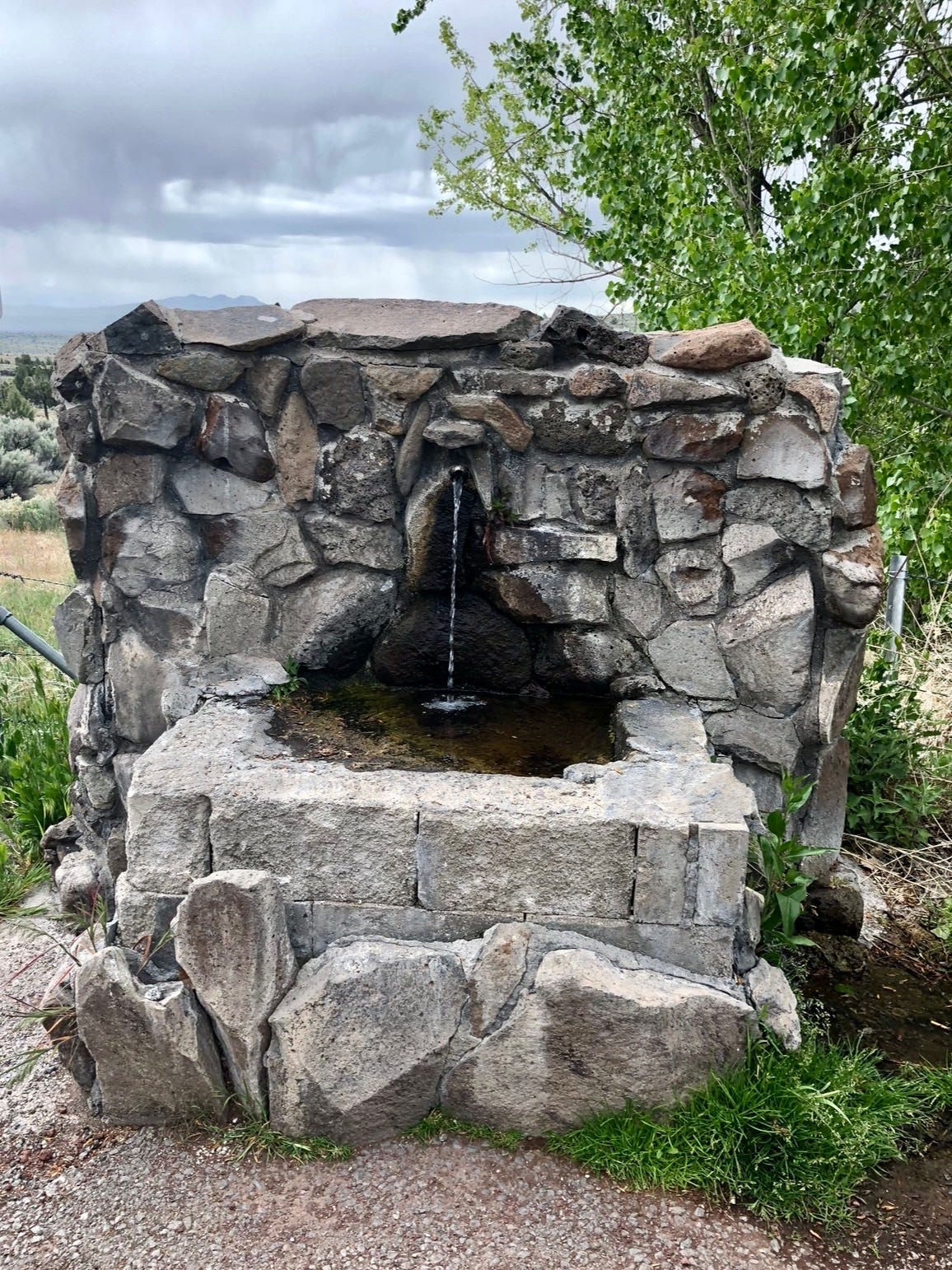
“To an Unknown God.”
For years I thought of that altar as a confession of ignorance.
Now I see something else.
It was also a confession of longing.
The city had given a name to its own longing. Its hunger had been carved into stone.
It knew Someone was missing.
⸻
Paul could have begun with condemnation.
Instead, he began with recognition.
“I see that you are very religious.”
He noticed their longing before he addressed their misunderstanding.
He walked through their city. He listened to their poets. He noticed their altar.
He honored the questions that had shaped their search.
Then he gathered the scattered pieces and revealed where they had been pointing all along.
He did not point them toward another philosophy. He pointed them toward a Person.
“What therefore you worship as unknown, this I proclaim to you.”
He did not dismiss the questions that had shaped them. He revealed the One toward whom those questions were reaching.
The God they could not name had drawn near.
⸻
That has changed the way I think about people.
How many carry an altar to the Unknown God without realizing it?
Not carved from stone, but hidden instead in questions, in beauty, in grief, and in the ache that whispers,
“There must be more.”
We often meet people at the point of their uncertainty. Christ meets them at the point of their longing.
Love begins where people are.
It listens before it speaks. It recognizes before it corrects. It loves another enough to begin where they are and patiently walks with them toward Christ.
⸻
Paul goes on to say something that has become precious to me.
“He is not far from each one of us.”
Not will be or might become.
Is.
Before anyone on Mars Hill knew His Name, He was already near.
Paul wasn’t simply looking at idols. He was looking for the places where grace had already stirred hearts, where longing had quietly prepared the way for revelation.
Then he spoke the Name toward whom all that longing had been reaching all along.
Jesus Christ.
The Unknown had a Face.
His Name is Jesus.
⸻
I find myself praying for eyes like that.
Eyes that see beyond arguments, appearances and uncertainty.
Eyes that recognize longing.
Eyes that notice the altars others carry in silence.
Because sometimes the first act of love…
is simply to say,
“I see.”
⸻
© Gilda Wray. All rights reserved.
Thank you, my friend!
Thank you for this beautiful reminder to see as our Lord sees. His love, His acceptance, His forgiveness. To have the eyes of His Heart for all His children.